
Layered Grief, Part 2: Healing Unresolved Pet Losses Strengthens Future Caregiving
By Michelle Nichols, MS, HonCAHP, CGRS | Animal Hospice Coach, Educator, Mentor, and Certified Grief Recovery Specialist, AHELP Founder
This article is Part 2 of AHELP Project’s two-part series, Unresolved Grief and Healing, exploring how the love we carry for our animal companions can evolve through loss, healing, and renewal.
In Part 1, Grief Doesn’t Expire: Making Space for Mourning Past Pets, we discussed how unspoken grief from previous losses can quietly shape your emotions and caregiving decisions—sometimes resurfacing years later when a new or aging pet needs your care. We explored how to recognize layered grief, the ways it manifests, and the importance of compassionate awareness and self-care in beginning to process it.
This second installment builds upon that foundation. Here, we’ll look at past unresolved losses and their relationship to layered grief. Preventing layered grief can strengthen your caregiving capacity—helping you bring calm, clarity, and self-compassion to your relationships with current and future pets. Through real pet caregiver stories and practical reflection, you’ll learn how resilient grievers allow love to grow wiser and steadier with each experience of loss.
By the end, I hope that you’ll feel encouraged to view grief not as a wound to overcome, but as a teacher—one that can deepen your empathy, guide your choices, and anchor you on your Path of Least Regrets.
Let’s begin where healing often takes root: in the quiet, honest moments of reflection.
🌷 When Healing Takes Root
Some caregivers find that healing begins not during a pet’s illness, but long after—when they finally allow themselves to revisit the loss with compassion. That gentle act of looking back opens the door to resilience and a renewed connection. Just like the flower, personal growth will allow you to blossom.
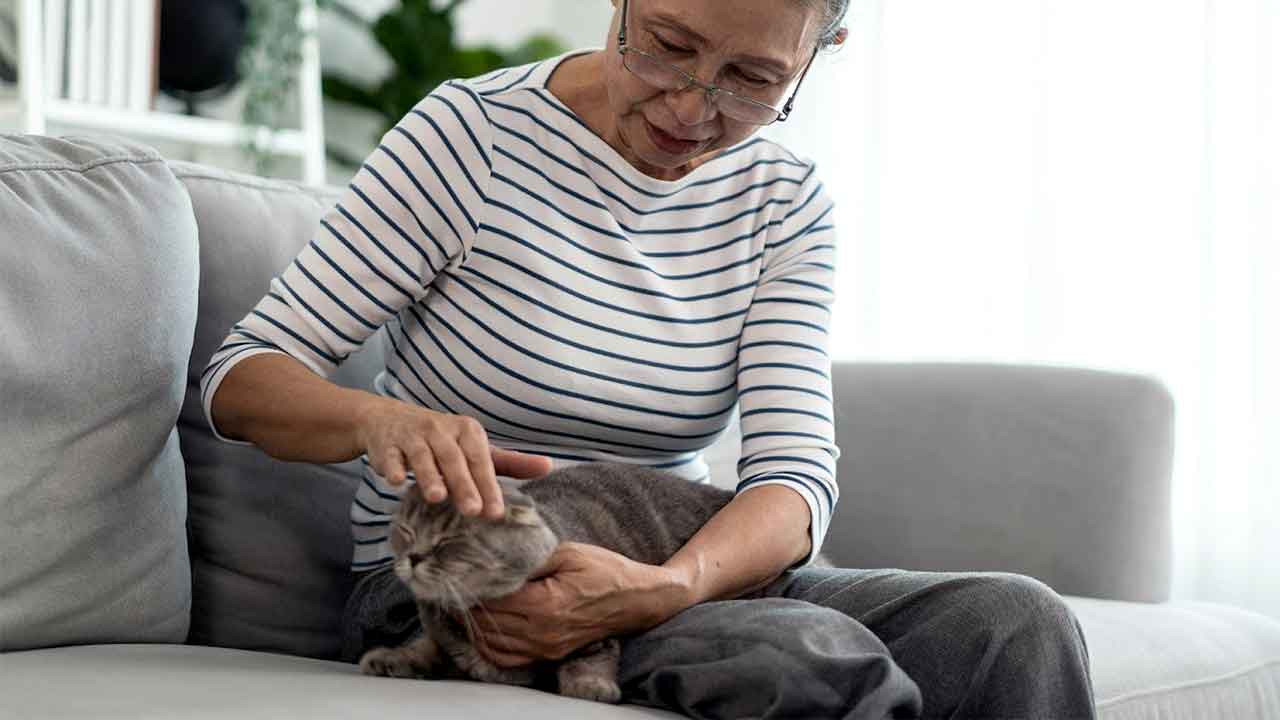
Photo caption: Mei sitting on the couch with Juniper. After her unresolved grief that came after her last cat Willow’s death, Mei learns to love again through her new, unique bond developing with gray tabby cat, Juniper.
🐈 Pet Hospice “Tail”: Mei and Willow
Mei adopted Willow, a quiet, short-haired gray tabby, soon after graduating from college. Mei’s parents had died when she was young, and she dreamt of extending her family one day. But with the long path to her career, she put off a relationship and human children for almost a decade after she began that part of her life.
Willow was her closest family member and became her anchor through every significant life change all the way through medical school, internship, and fellowship. When Willow’s kidney disease set in, Mei focused on medications, natural supplements, and went “all in” on subcutaneous fluids, prescription diets and whatever curative treatments she thought would help. With the “carer” mentality that had driven her through her education and training, she took pride in her nursing care for Willow.
But she also avoided hospice discussions, feeling like they meant “giving up.” When Willow declined suddenly, euthanasia felt rushed. Afterward, guilt settled in: Did I do enough? Did I wait too long? Did she suffer?
Mei’s world was shattered, so she adopted Juniper, a long-haired gray tabby who reminded her of Willow. But she found herself tense, watching every small sign of illness, haunted by what she hadn’t said or done.
With the help of a pet loss coach, Mei learned to name what she was carrying—unresolved grief over past losses that layered on one another, making her feel stuck and keeping her from moving forward with Juniper.
Through journaling and ceremony, she honored Willow by commissioning a glass-blown heart with her cremains and holding a small memorial. Over time, she found she could think of Willow with tenderness rather than guilt.
“I thought grief was something to get past,” Mei said. “Now I know it’s something to tend—like love that keeps evolving.” |
She could then be present with Juniper, focus on building a unique friendship she could savor alongside her cherished memories of Willow, and move into a future partnership.
🪞 How to Know if Past Pet Loss Grief Is Affecting You Now
You may be carrying grief from a previous pet if you notice:
- Heightened anxiety or dread during vet visits.
- Trusting your instincts becomes difficult about treatment or comfort care.
- Guilt that feels disproportionate to the current situation.
- Overprotectiveness or detachment toward a new or ill pet.
- Reliving vivid memories from a past loss.
These are signs that old pain is asking for attention, not judgment. Awareness is the first step toward healing.
🧘 The Role of Resilient Grieving
Resilient grieving isn’t about “bouncing back.” It’s about integrating loss so that life can expand around it again. This approach, grounded in Positive Psychology, invites pet parents to:
- Acknowledge emotions without judgment.
- Find meaning in caregiving and loss.
- Stay connected to a pet’s memory through ritual or creative expression.
- Cultivate self-compassion, knowing you did the best you could with what you knew then.
When you build resilience through active grief work, guilt loses its hold. You begin to meet future caregiving moments with calm, clarity, and courage.
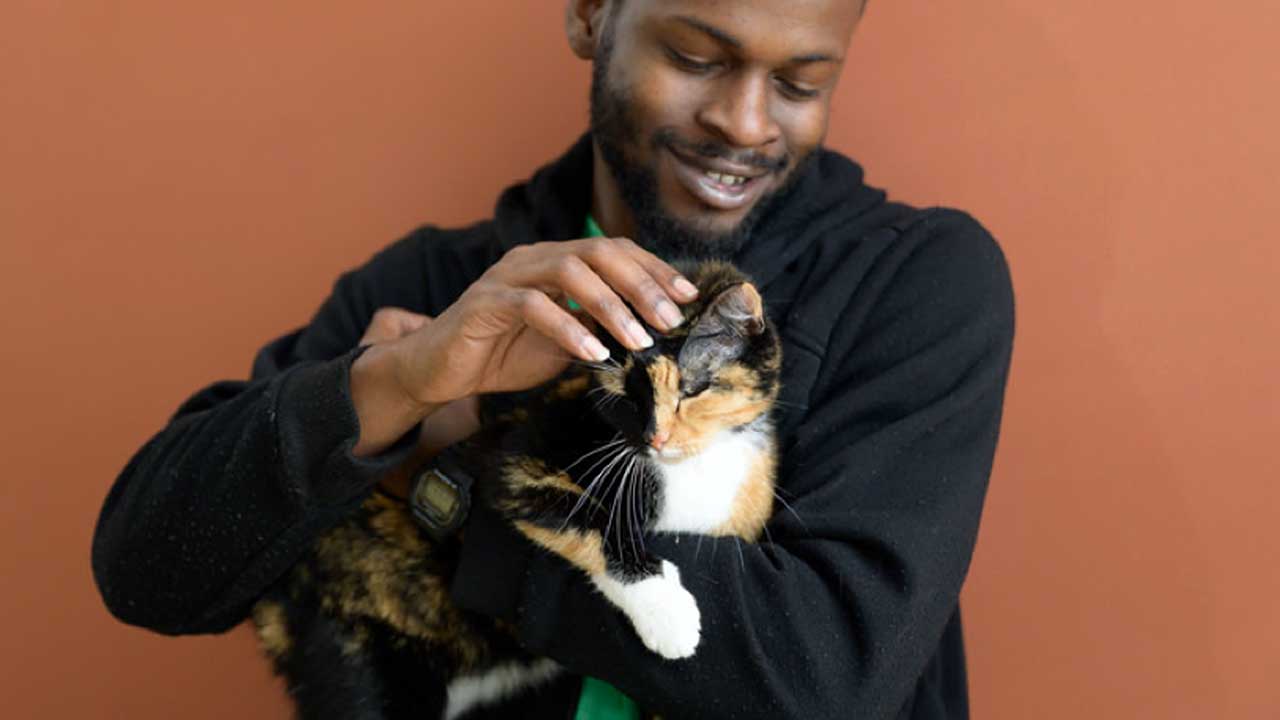
Photo caption: Daniel holding and bonding with the newest member of his family, calico kitty Jasper.
😻 Pet Hospice “Tail”: Daniel and Jasper
Sometimes unresolved grief surfaces not after a loss, but while caring for another beloved companion, and the layers of grief impact our present caregiving.
When Daniel’s cat, Jasper, was diagnosed with lymphoma, he reacted by diving into internet research—treatment protocols, supplement regimens, every possible clinical trial. He remembered how helpless he’d felt watching his previous cat, Oliver, decline from the same disease, and he swore he wouldn’t “get it wrong again.”
As Jasper’s appetite waned, Daniel felt his chest tighten. Each vet visit felt like reliving Oliver’s final weeks. He couldn’t separate the two stories—past guilt had merged with present fear.
“I wasn’t just trying to save Jasper,” Daniel said later. “I was trying to rewrite Oliver’s ending.” |
Through pet hospice coaching, Daniel learned to slow his pace and check in with himself before reacting. Journaling helped him notice when decisions were guided by compassion versus fear. By creating a photo gallery and displaying keepsakes for both cats, he began to release the old guilt that had followed him for years.
In time, Daniel found he could meet Jasper’s final months with calm presence rather than panic.
“Letting go of Oliver,” he reflected, “was what finally allowed me to truly be present-minded for Jasper.” |
💞 Care for Yourself While Caring for Them
Self-care during or after loss isn’t selfish—it’s how you sustain the love you give.
Try small acts that support both body and mind:
- Pause and breathe before making hard decisions.
- Write one memory that brings gratitude, not guilt.
- Reach out for community—friends, online groups, or a coach who understands pet loss.
- Rest without guilt; healing requires energy, too.
Each step you take in caring for yourself strengthens your ability to care for your pets with presence and gentleness.
🏋️ Building Strength for Future Losses
At Partners to the Bridge Animal Hospice Coaching, we help families build resilience through reflection, communication, and self-compassion. Our coaching process doesn’t deny grief—it integrates it.
Quote caption: “As dedicated animal lovers who’ve loved and lost many times over, we’re uniquely positioned to learn from death. We can build resilience to heal through it—and even grow because of it.” ~ Michelle Nichols, MS, HonCAHP, CGRS, Animal Hospice Coach, Grief Educator, and Nonprofit Leader
💘 Carrying Love Forward
Healing from unresolved grief transforms how we show up—not only for our pets, but for ourselves. When we learn to face loss with awareness, we find steadiness in the very place we once felt broken.
As we move forward from this series, remember that grief doesn’t expire—it evolves. By tending to it with compassion, you build emotional endurance and deepen your capacity to love. Each pet who walks beside you, or across the Rainbow Bridge, becomes part of that evolution.
Your healing isn’t behind you—it’s in how you choose to carry love forward. 🐾💞👣🌈
➡️ Contact Michelle for a FREE Quick Connect Call to discuss how we can help you with personalized support, resources, and referrals. Discover the path to healing—and the self-compassion it takes to love again.
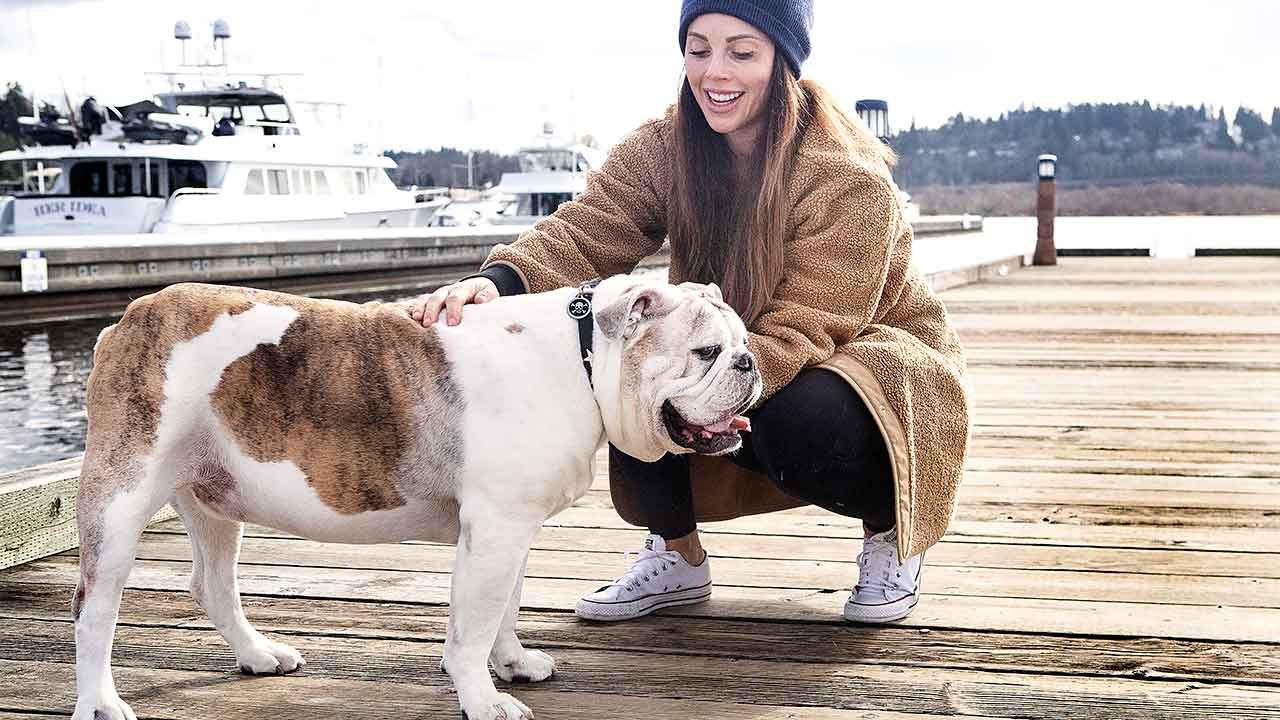
( Blog post banner: photo of pet caregiver and senior dog on dock in the Pacific Northwest during the Winter time, photo credit: Julie Austin Photography. )
|
About the Author: Michelle NicholsAs an Animal Hospice Coach and Educator—a Pet Hospice Partner—I have the privilege of supporting families through one of life’s most sacred and challenging passages: accompanying a beloved dog or cat in their final chapter. My goal is to offer not only practical guidance but also emotional support and a deeper way to relate to this time—not just as an ending, but as a meaningful, even healing experience. With 30 years of combined experience in human and pet-related grief counseling, I continually refine my skills to serve pet parents best and to help prepare the next generation of pet hospice leaders through education and mentorship. My virtual door is always open. Reach me at [email protected]. |
Join Our Newsletter List!
You’ll receive the latest blog posts, useful tools, and plenty of inspiration. As a special gift, you'll receive a FREE Handout Combo download of Animal Quality of Life Indicators to Report to Your Veterinarian AND 40+ Questions to Ask Your Veterinary Team—both a valuable resource!

