
The Relationship Doesn’t End
You Don’t Have to “Let Go”: Understanding Continuing Bonds After Pet Loss 🐾
By Michelle Nichols, MS, HonCAHP, CGRS | Animal Hospice Coach, Educator, Mentor, and Certified Grief Recovery Specialist, AHELP Founder
In an earlier post, our guest contributor Koryn Greenspan wrote the blog, “Going back to Work after Pet Loss when Bereavement Leave Isn’t Available.” She described creating a small, private point of connection during the workday — a photo in a drawer, a tag in a pocket, a quiet reminder that the relationship still matters.
There is a name for that.
It is called Continuing Bonds.
For many grieving pet parents, understanding this concept can feel like an “aha moment.”
🧠 What Older Grief Models Taught Us
For decades, grief was commonly described as a process of stages, tasks, and eventual closure. Healthy grieving was often framed as acceptance, detachment, and adjustment to life “without” the one who died.
Well-intended people absorbed those messages.
They would say things like:
- “Aren’t you over them yet?”
- “You need to move on.”
- “It’s time to let go.”
Under those models, continuing to feel connected to someone who died could be misunderstood as unhealthy or “stuck.”
For many pet parents, this misunderstanding was compounded by something called disenfranchised grief.
What Is Disenfranchised Grief?
Disenfranchised grief occurs when a loss is not fully acknowledged, validated, or supported by others.
Pet loss often falls into this category.
Because the relationship may be minimized socially, grievers can be left feeling:
- Isolated
- Embarrassed by the intensity of their feelings
- Ashamed for carrying their pet forward in meaningful ways
They may hide behaviors such as:
- Talking to their pet internally at moments of reflection
- Carrying a collar or tag as a tangible connection
- Keeping routines like walking or feeding alive for comfort
- Referring to their pet in present-tense love
Without validation, these natural expressions of connection can feel confusing or even wrong.
🌿 How Animal Hospice Caregiving Can Deepen the Bond
If your pet experienced hospice care or a prolonged illness, the relationship often becomes even more intimate before death. Many families begin experiencing anticipatory grief — the grief that unfolds during illness and decline long before goodbye.
Hospice — often referred to as comfort care — is not just medical management.
It is proximity.
It is tenderness.
It is witnessing vulnerability.
Intensive caregiving frequently brings loved ones closer than ever. There is often:
- Physical closeness
- Emotional honesty
- Shared quiet
- Conscious preparation for goodbye
Preparing to let them go can paradoxically strengthen attachment.
When death follows that depth of intimacy, expecting sudden detachment is not realistic. The bond has often intensified, not weakened.
When Continuing Bonds Changed the Conversation
In the 1990s, researchers Dennis Klass, Phyllis Silverman, and Steven Nickman introduced the concept of Continuing Bonds.
Their work challenged the assumption that healthy grief requires severing ties.
Instead, they proposed something radical for its time.
Healthy grieving does not require ending the relationship.
It requires transforming it.
This shift changed everything.
Bereaved loved ones were given permission to:
- Feel an ongoing connection
- Speak openly about internal conversations
- Keep mementos without shame
- Carry their loved one forward in meaningful ways
What had once been quietly pathologized was recognized as human adaptation.
What Continuing Bonds Means for You
Your pet is no longer physically present.
The relationship is not erased.
It shifts from:
- Physical interaction to internal dialogue
- Daily care to memory-based presence
- Shared routines to symbolic connection
This does not mean denying death.
It means integrating love into a new form.
Grief does not close.
It softens. It reshapes. It becomes part of you.
Over time, what may begin as sharp longing can evolve into a more peaceful presence — warm memories, quiet guidance, a steady sense of connection.
A Gentle Distinction
Continuing Bonds does not mean holding on in a way that prevents healing.
Just as relationships with the living can be complicated, relationships with the deceased can remain complicated.
If the connection feels intrusive, distressing, or overwhelming, additional support from a licensed mental health professional may be helpful.
Continuing Bonds is about integration, not fixation.

Photo caption: Our earliest memories remain long after they pass over the Rainbow Bridge, photo of a millennial dog mom recalling her Jack Russell Terrier as a puppy.
You Were Never Meant to Erase Love
If someone has suggested you should be “over it” by now, consider this:
💔 A broken heart does not operate on a timetable.
💞 The bond you formed — especially if shaped by hospice care, caregiving, and intentional goodbye — does not dissolve simply because time has passed.
😥 You are not failing to grieve correctly…
😚 You are building resilience and adapting. The feelings you have are normal and should be supported.
Carrying your loved one with you forever is one of the most human things we do.
Your Questions Answered: How Can I Stay Connected to My Pet After They Die?
Even after a beloved pet dies, the relationship you built together does not simply disappear—it can continue through memory, meaning, and the ways their love still shapes your life.
- Is it normal to still feel close to my pet after they die?
Yes. Many pet parents continue to feel their pet’s presence through memories, routines, and the lasting influence that love has on daily life. Feeling connected is not a sign of “not moving on”—it reflects the depth of the relationship you shared.
💛 Takeaway: Staying connected is a natural expression of love.
- What are some meaningful ways to remember my pet in everyday life?
Simple actions—displaying a favorite photo, lighting a candle, wearing a tag on a keychain, or speaking your pet’s name—can keep their memory gently present. These small moments of remembrance often bring comfort and a sense of ongoing connection. Don’t be in a hurry to move beds or kitty condos out of your life.
🧡 Takeaway: Small daily remembrances of the life you shared can keep your pet’s love close.
- How can I take action through participating in small rituals or traditions that honor my pet’s memory?
Some families mark birthdays or adoption days, visit the dog park to see familiar faces, or take a favorite walk with leash in hand, in remembrance. Make a donation of gently used pet supplies or send a monetary gift in memoriam. Rituals do not have to be elaborate; even a quiet pause of reflection can be meaningful.
❤️ Takeaway: Simple actions can transform remembrance into comfort.
- How do I talk with family members, including children, about staying connected to our pet’s memory?
Invite open conversation and allow each person to remember in their own way—through stories, drawings, memory boxes, or shared traditions. Emphasizing that love continues can help children and adults alike feel safe expressing both sadness and gratitude.
💜 Takeaway: Shared remembrance helps families heal together.
- What can I do on anniversaries, birthdays, or difficult days when I miss my pet most?
Plan something gentle for yourself, such as spending time outdoors, revisiting favorite photos, or writing a note to your pet about what you still carry from your life together. These intentional moments can transform hard days into opportunities for remembrance and healing.
💙 Takeaway: Intentional remembrance can bring comfort on difficult days.
- Will the pain of missing my pet always feel this strong?
For many people, the intensity of grief softens over time, even though the love remains. With patience and gentle self-care, many pet parents find that memories gradually bring more warmth than pain.
💚 Takeaway: Grief often changes with time, while love continues to endure.
🤍 If You Are Navigating This Journey Now
If you are caring for a pet with a serious illness — or walking through the early days of grief — you do not have to navigate this alone.
At AHELP, we often use the phrase Comfort Care as an entry point because it feels less frightening. Comfort care focuses on preserving your pet’s quality of life and supporting your whole family.
When the time is right, we also name it accurately: Animal Hospice — a philosophy of care that prioritizes dignity, comfort, and thoughtful decision-making at the end of life.
Approaching care with clarity and support can help you find (or forge) your Path of Least Regrets to the Rainbow Bridge — so you are less likely to carry guilt later, and more able to carry love.
If you would like guidance, reassurance, or simply a steady conversation about what lies ahead, you can learn more about our comfort care resources or Contact Us to schedule a complementary 15-minute call with me.
Wherever you are — before goodbye, during hospice, or after — support and clarity matter. 🐾💞👣🌈
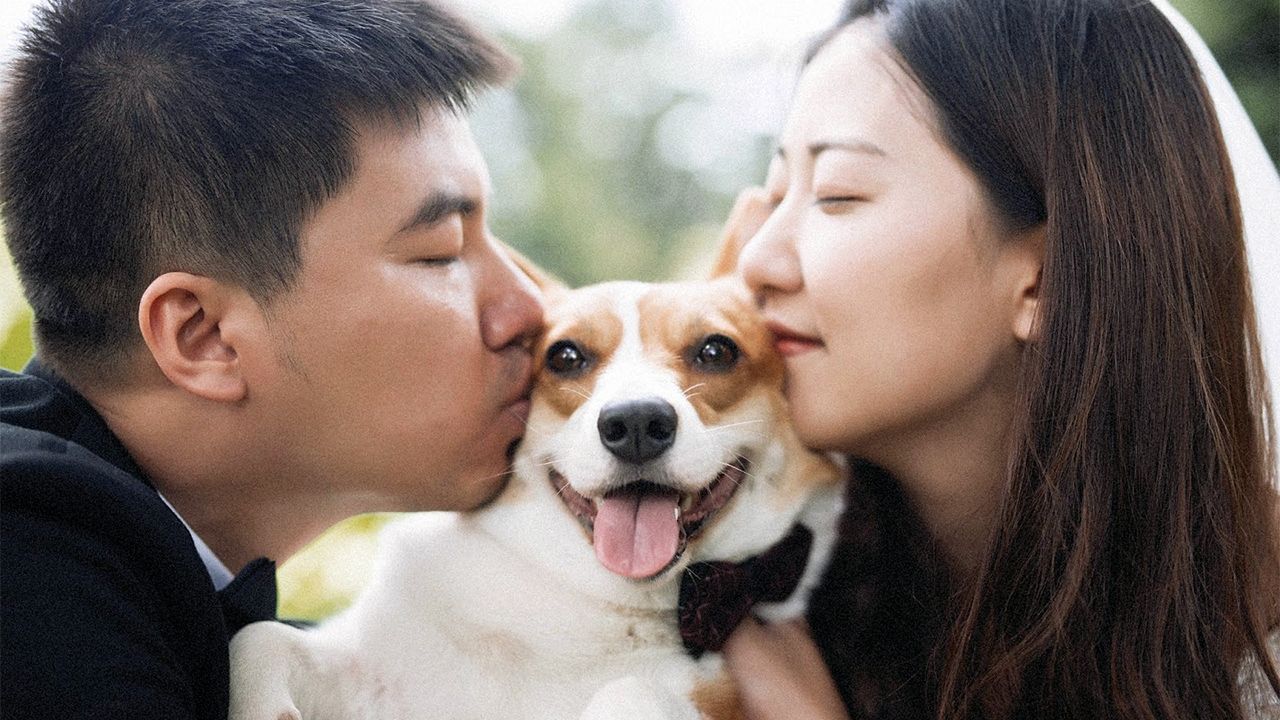
( Blog post banner: We carry memories of our pets “furever,” photo of couple sharing a warm embrace with their Welsh Corgi dog. )
|
About the Author: Michelle NicholsAs an Animal Hospice Coach and Educator—a Pet Hospice Partner—I have the privilege of supporting families through one of life’s most sacred and challenging passages: accompanying a beloved dog or cat in their final chapter. My goal is to offer not only practical guidance but also emotional support and a deeper way to relate to this time—not just as an ending, but as a meaningful, even healing experience. With 30 years of combined experience in human and pet-related grief counseling, I continually refine my skills to serve pet parents best and to help prepare the next generation of pet hospice leaders through education and mentorship. My virtual door is always open. Reach me at [email protected]. |
Join Our Newsletter List!
You’ll receive the latest blog posts, useful tools, and plenty of inspiration. As a special gift, you'll receive a FREE Handout Combo download of Animal Quality of Life Indicators to Report to Your Veterinarian AND 40+ Questions to Ask Your Veterinary Team—both a valuable resource!

