

Going Back to Work After Pet Loss
6 Supportive Tips to Cope When Bereavement Leave Isn’t Available
By Koryn Greenspan, Pet Loss Bereavement Specialist and founder of The Parted Paw (Toronto, Canada)
For many people, going back to work after pet loss happens quietly. There is no built-in pause. No structured acknowledgment. No shared language to explain why concentration feels fractured or why emotions surface unexpectedly in the middle of an otherwise ordinary day.
You log into your first meeting. Someone asks how your weekend was. Your pet’s food bowl is still on the kitchen floor. You mute yourself so no one hears your voice catch.
The workday resumes because it must. Meetings are scheduled. Emails arrive. Expectations remain unchanged. And yet something significant has shifted beneath the surface.
For many grieving pet parents, returning to work does not follow a sudden loss alone. It follows weeks or months of anticipatory grief, the long stretch of watching a beloved animal companion decline, adjusting routines, holding hope and fear at the same time.
In my work advocating for pet bereavement awareness, I continue to see how workplaces struggle to recognize pet loss as a legitimate grief experience. Policies rarely include pet bereavement leave. Expectations often remain unchanged.
Until systemic change becomes standard, many grieving pet parents must return to work without formal support. This article explores what that experience often looks like and offers practical ways to move through the workday with care, dignity, and intention.
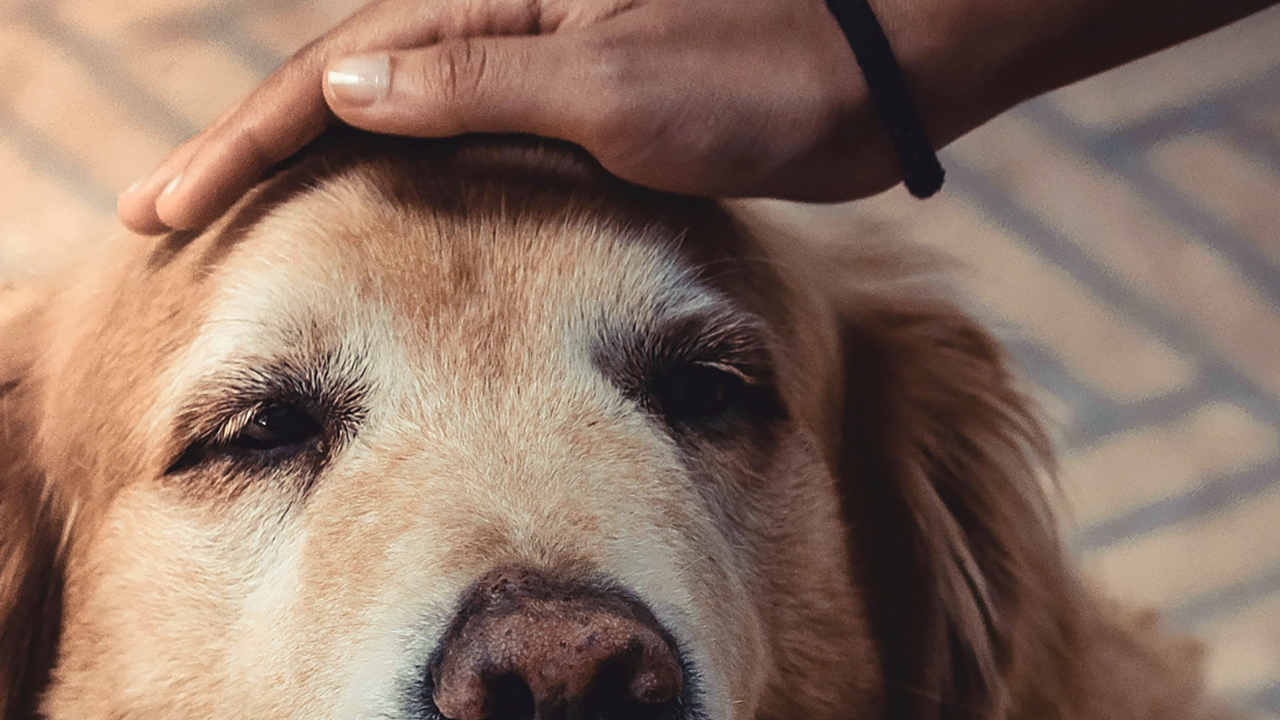
Photo caption: Pet parent petting their senior Golden Retriever dog on the head with love and admiration.
😢 The Quiet Reality of Returning to Work After Pet Loss
Anticipatory grief often begins long before death. It appears in medication schedules, mobility changes, appetite concerns, and late-night worry. It shapes daily life in subtle and not so subtle ways. By the time a pet dies, many people have already been grieving. Returning to work after this prolonged emotional vigilance can feel disorienting. The structure of work may offer distraction, but it may also expose how depleted you feel. Colleagues may not know what has happened. Managers may not ask. The loss may feel too personal, or too misunderstood, to bring into the professional space. Grief does not disappear because it is unacknowledged. It often shows up in quieter forms:
- Reduced focus
- Emotional fatigue
- Irritability
- Waves of sadness or relief that arrive unexpectedly
Recognizing that anticipatory grief preceded the loss can reduce self-judgment. You are not “falling apart.” You may simply be tired from holding so much for so long.
🧭 6 Supportive Ways to Cope When Returning to Work After Pet Loss
1. Create a Small Point of Connection
Grief often intensifies when we are expected to behave as though nothing has changed. Having a quiet, personal reminder of your pet can offer grounding during the workday. This might be a photo tucked into a drawer, a tag kept nearby, or a small object that carries meaning.
This is not about public display. It is about carrying the relationship forward in small, steady ways.
Connection does not disappear simply because your routine has resumed.
2. Release the Pressure to “Be Fine
After months of anticipatory grief, some people expect themselves to be composed once death occurs. “I knew it was coming,” they tell themselves.
But preparation does not eliminate grief.
You do not have to perform normalcy.
Opting out of optional social activities, taking breaks alone, or conserving emotional energy is not disengagement. It is self-awareness.
Grief requires emotional and social energy. Protecting that energy allows steadier functioning throughout the day.
3. Acknowledge the Exhaustion Beneath the Grief
When death follows prolonged caregiving and emotional vigilance, the body often registers both relief and collapse.
That exhaustion is real.
Grief affects concentration, decision-making, and emotional regulation, all of which influence work performance. Even temporary adjustments, such as lighter deadlines or fewer meetings for a short period, can help you regain footing.
If it feels appropriate, a brief conversation with a manager may make a meaningful difference. You do not need to share details. A simple statement such as, “I’ve experienced a significant loss and may need some flexibility this week,” can be enough.
As awareness grows, these conversations may become easier. For now, even small adjustments matter.
4. Name the Loss When It Feels Right
For some, briefly acknowledging the loss reduces the internal strain of silence. A simple statement such as: “My dog passed away this weekend” can create understanding and soften expectations.
For others, privacy feels safer.
There is no correct approach.
The guiding question is not “Should I say something?” but “What would reduce strain for me right now?”
5. Prepare for Emotional Surges
Grief does not follow a schedule. A calendar notification may remind you of a veterinary appointment. A quiet moment may bring an unexpected wave of absence. Even after anticipatory grief, emotions can feel sharp. When this happens:
- Step away briefly
- Take slow, steady breaths
- Drink water
- Allow a few tears if needed
These responses are not weaknesses. They are regulations. They allow emotion to move through without overwhelming your ability to function.
6. Create a Mental Container During Work Hours
Work may not always provide space to fully process grief.
Keeping a private note open on your computer or writing brief reflections during the day can help you acknowledge thoughts without becoming consumed by them.
When memories or “what ifs” arise, place them somewhere intentional rather than holding them internally.
You can return to them later, when you have more emotional space.
This practice respects both your professional responsibilities and your grief.
⚖️ The Emotional Cost of Unsupported Grief
Returning to work after pet loss without acknowledgment takes effort. When anticipatory grief has already stretched your emotional reserves, maintaining composure and productivity can compound exhaustion.
Over time, unsupported grief may contribute to disengagement and emotional depletion. This is not a personal failing. It reflects a gap between workplace structures and the emotional realities of people’s lives.
As more individuals speak openly about grieving the loss of a pet, awareness grows. And as awareness grows, change becomes possible.

Photo caption: A beautiful peaceful white daisy flower floating in water with a reflection - moving forward with compassion.
🌿 Moving Forward With Compassion
The goal is not to eliminate grief from the workday. It is to move through returning to work after pet loss without disconnecting from what mattered.
Small, intentional supports can make a meaningful difference.
If you are navigating professional responsibilities while grieving, you may also find support in AHELP’s companion article on understanding continuing bonds after pet loss.
Your experience is real.
The months before mattered.
The final days mattered.
The relationship mattered.
Carrying that truth into the workday is not unprofessional.
It is human.
( Blog post banner: Photo courtesy of The Parted Paw, memorializing your beloved pet(s) with a photo on your desk at work. )
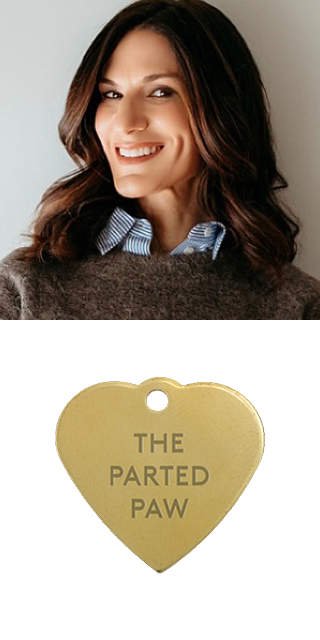 |
About the Author: Koryn GreenspanGuest Blogger, Founder of The Parted Paw, and an AHELP Affiliate Koryn Greenspan is the Founder and Owner of The Parted Paw, a grief informed practice focused on advancing how pet loss is understood, supported, and navigated. She is a Certified Pet Loss Bereavement Specialist, Certified End of Life Pet Doula, and an ACC ICF Certified Coach, with over 15 years of experience working with pets, their families, and the pet care industry at large. Through The Parted Paw, Koryn offers structured grief support for pet parents and pet care professionals, including private sessions, group support, end of life guidance, workplace and compassion fatigue grief services for pet care professionals, education, and speaking engagements. Her work emphasizes practical tools, emotional literacy, and clear language that help individuals and organizations better understand the human animal bond and the lasting impact of pet loss. In addition to direct services, Koryn is an advocate for pet loss literacy and workplace bereavement recognition, helping grief be acknowledged and supported rather than minimized. Also, follow The Parted Paw on TikTok and The Parted Paw on Instagram for regular words of wisdom and support navigating pet loss and bereavement. |
Join Our Newsletter List!
You’ll receive the latest blog posts, useful tools, and plenty of inspiration. As a special gift, you'll receive a FREE Handout Combo download of Animal Quality of Life Indicators to Report to Your Veterinarian AND 40+ Questions to Ask Your Veterinary Team—both a valuable resource!

