
QUALITY OF LIFE
FOR PETS
Animals’ Quality of Life
How Can it Help us Make Palliative Care and End-of-Life Decisions?
By Dr. Amir Shanan, DVM, CHPV®
Founder, International Association for Animal Hospice and Palliative Care
Co-founder, Animal Hospice Group
Editor, Hospice and Palliative Care for Companion Animals
Owner, Compassionate Veterinary Hospice
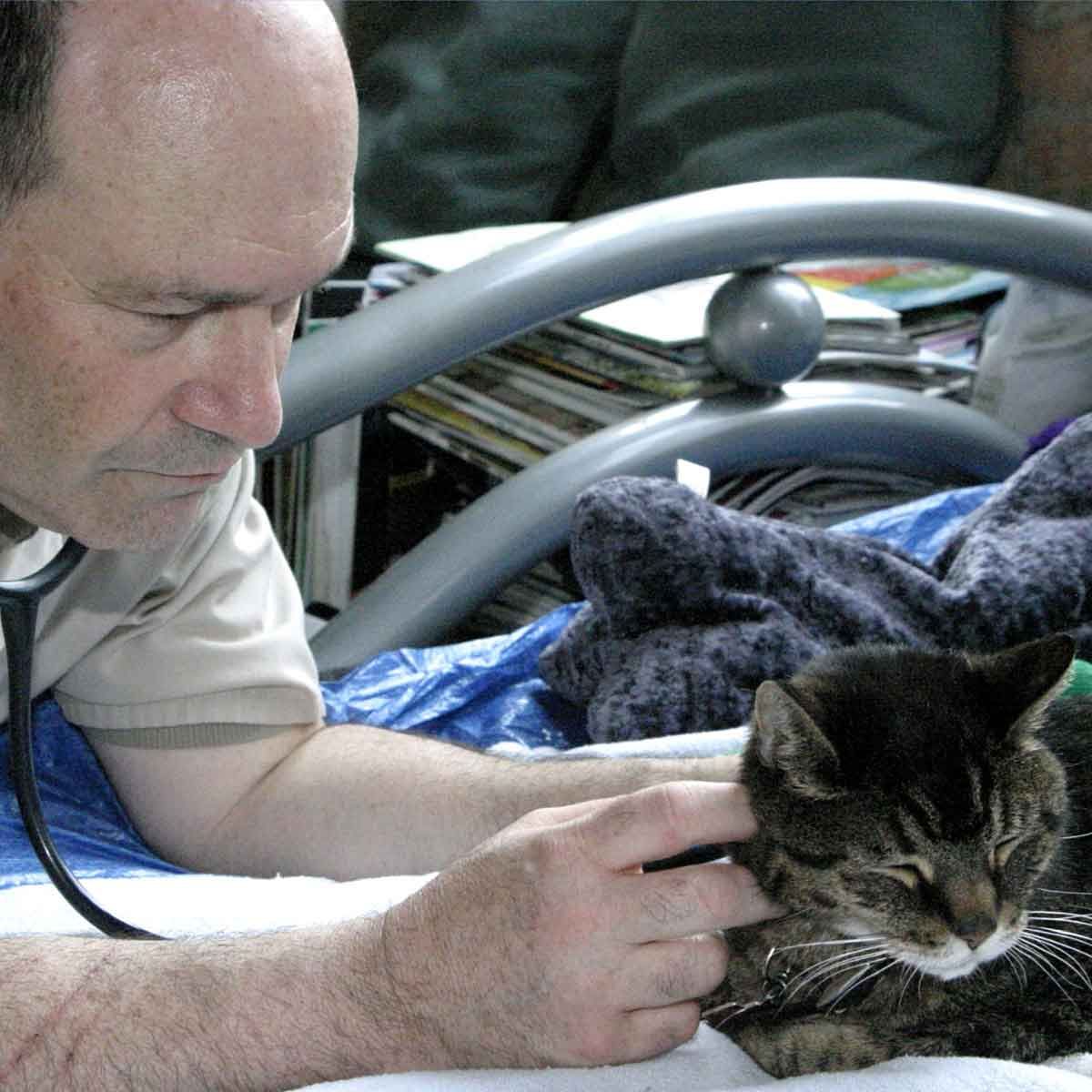
Read the original reference by Dr. Shanan on the Pet Hospice Tips and Tales blog,
Animal Quality of Life: Can it Help Us Decide If and When to End an Animal’s Life by Euthanasia?
Deciding if and when to end an animal’s life through euthanasia is one of the most challenging aspects of caring for ill, debilitated, or frail animals. Caregivers benefit from understanding the ethical principles, decision-making process, and complexities involved. These decisions are often guided by ongoing assessments of the animal’s quality of life.
What is Quality of Life?
The Quality of Life (QOL) construct was developed to ensure that the patient’s perspective remains central to medical care. In animals, QOL refers to their overall life assessment while receiving medical care.
What is Involved in Assessing QOL?
QOL in an animal patient is best monitored in a partnership between the veterinarian and the client. To begin a veterinary-client relationship, a vet will review your pet’s records and do a gentle, in-person exam to see if hospice and palliative care are a good fit. A trained veterinary nurse may handle follow-up exams to track symptoms and behavior. These follow-up nurse visits and physical exams - typically anywhere from once a month and up to once a week [and even more frequently if needed] - help families provide optimal care for their animal and adjust the care plan as needed.
Updates to a patient’s status are based on changes in the animal’s behavior, which provide insights into their physical comfort, social interactions, and emotional well-being. These behavioral cues help us understand how animals perceive the quality of their own lives.
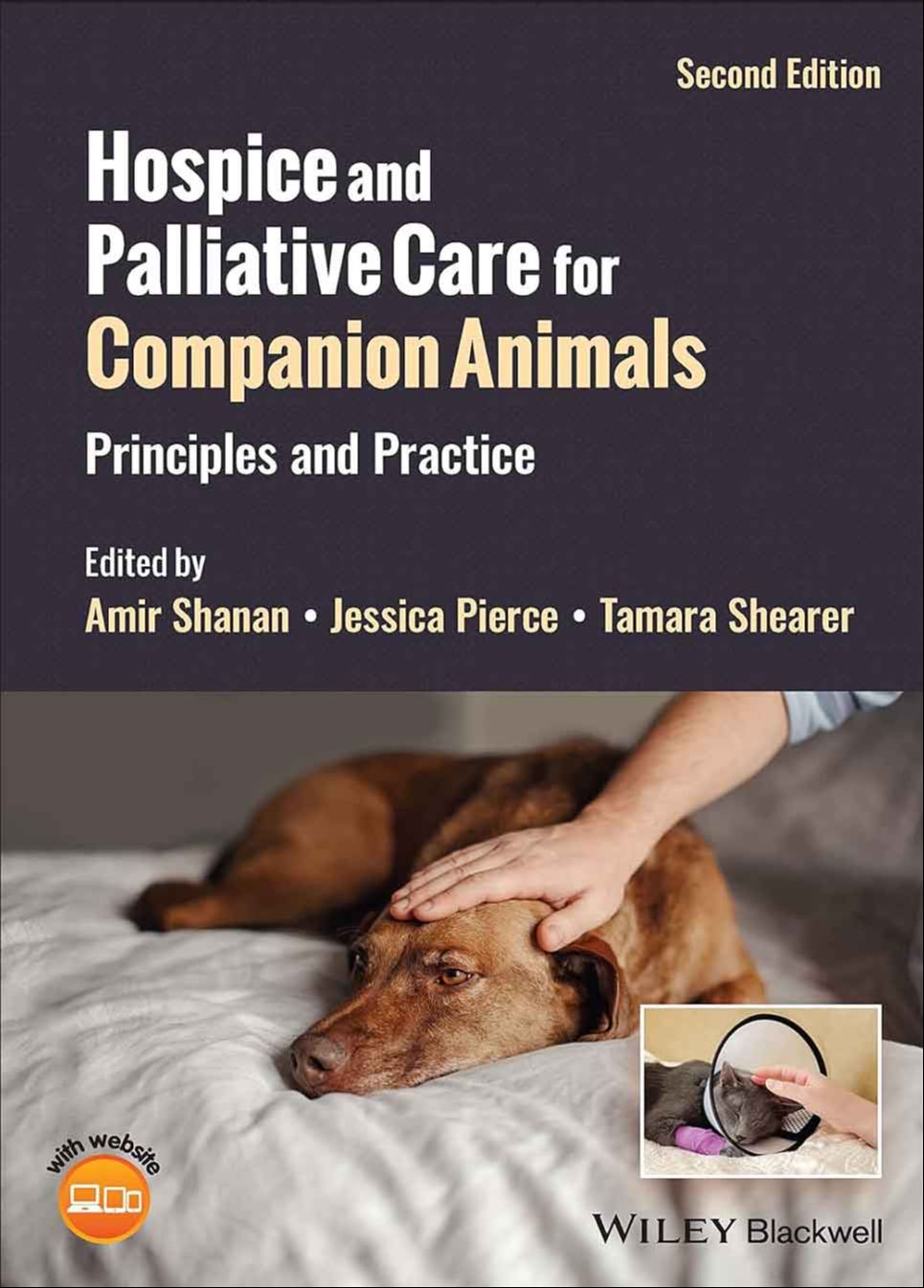
Assess Your Animal’s Current QOL
Assess how your animal is doing overall at a given point in time, with attention to all three domains of QOL (physical, emotional, social).
- Negative affect directly attributable to physical sensations (pain and/or other discomfort)
- Negative affect attributable to emotional distress (anxiety, depression, etc.)
- Positive affect (emotional calm, enjoyment)
- Engagement in social relationships
- Expressions of the individual animal’s true self (“being him/herself”) and will to live.
(Cited from Amir Shanan, Jessica Pierce, et al. Hospice and Palliative Care for Companion Animals: Principles and Practice, Wiley Blackwell, 2023)
You may ask, “How Do I Monitor My Pet’s Quality of Life?”
Recording vital signs and communicating universally understood behaviors over time will facilitate better communication between you and your veterinary team. The time you take to track your observations will allow all team members to give input and interpretation, instilling you with confidence in your decision-making and well-timed, empowered actions.
How do I start a pet hospice journal or pet hospice quality of life journal? To learn what to observe and track over time, sign up to get on the waiting list to be one of the first to receive access of AHELP’s Guide to Animal Quality of Life Packet which includes our Pet Comfort Care Journal - an excellent resource. Coming Soon!
SIGN UP TO RECEIVE JOURNAL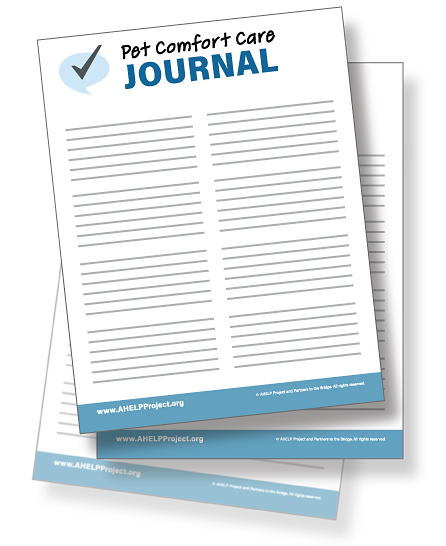
My Perspective on Quality of Life Scales
You can now better appreciate why I consider a decision to euthanize a beloved animal to be a complex, dynamic process; a process that cannot be reduced to a few fixed indicators or numerical scores. QOL fluctuates unpredictably and sometimes widely, so rigid assessments are often unreliable. Understanding caregivers’ unique needs and experiences is critical to assisting them in making decisions that keep them on their ”path of least regrets.”
By tracking companion animals’ well-being with observation journals and reporting key QOL-related indicators to the attending veterinarian, caregivers can navigate the hospice journey with confidence, competence, and compassion.
Making Ethical End-of-Life
Decisions for Animals
Even when facing illness or aging, animals are remarkably adaptable and continue to find meaning in their lives. Most pets are content as long as they can:
- Connect emotionally and be physically near to their family and,
- Engage with their surroundings, allowing them to form opinions about what’s happening around them.
However, as their condition worsens, they may reach a point where the resources required for adaptation begin to dwindle. When a pet can no longer consistently show connection or engagement, it may signal that their ability to continue to adapt and cope with life’s challenges is declining.
At this stage, caregivers must balance two crucial responsibilities:
- Honoring their pet’s life (suggests waiting longer to euthanize).
- Preventing or minimizing suffering (suggests it may be time to say goodbye).
Finding this balance is deeply personal and often challenging. Ultimately, the best decisions are not just about what’s best for the pet—they are about aligning the pet’s needs with the caregiver’s values, beliefs, and unique circumstances.
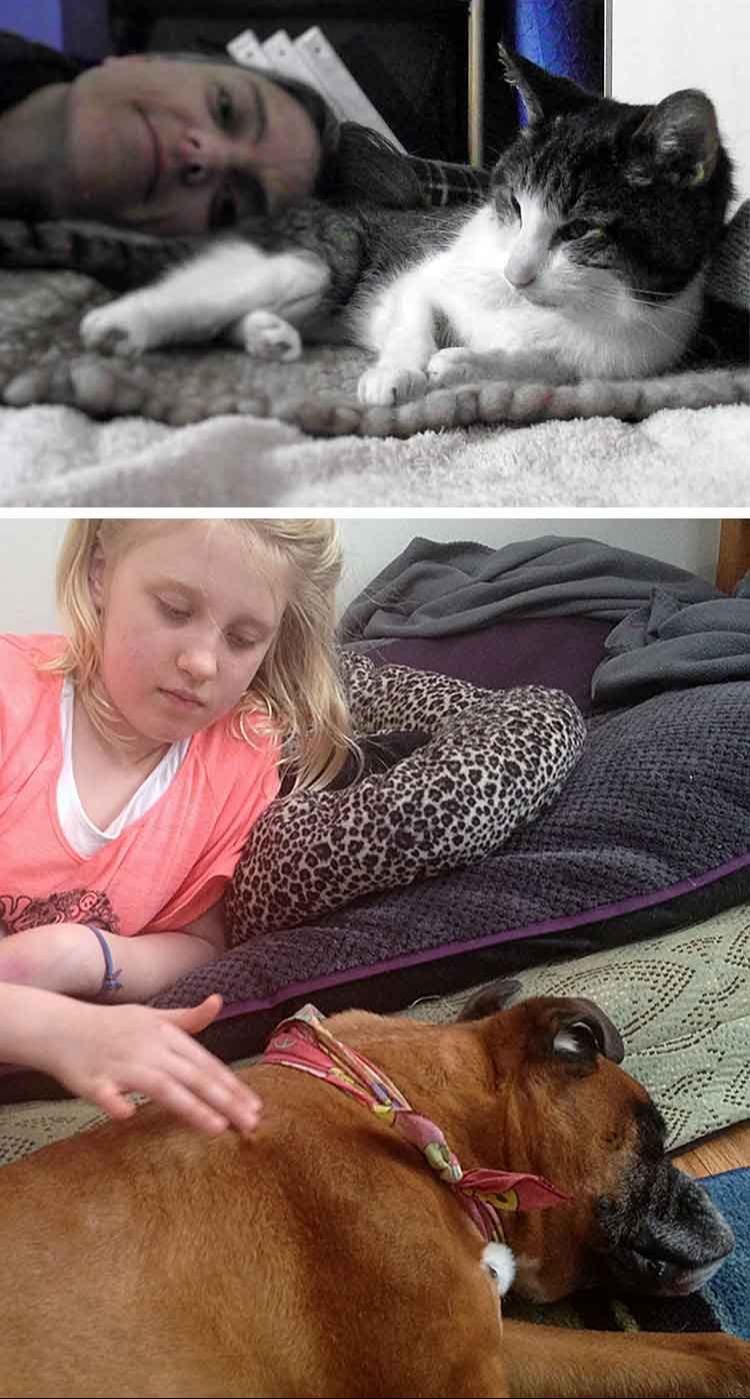
This process is rarely straightforward, leaving caregivers vulnerable and fearful of making the “wrong decision,” desperate to avoid making it “too soon” or “too late.” In fact, research has shown that more than half of all pet parents who’ve made a euthanasia decision in the past worry they might have made a “wrong decision!” The emotional weight of end-of-life choices can leave caregivers feeling overwhelmed, uncertain, and isolated. The value of caregiver support during this time cannot be overstated.
As a hospice and palliative care veterinarian, I meet daily with families who’ve been struggling to navigate these decisions on their own, unsure where to turn for help. I witness the relief they experience during the initial hospice consultation, as they go through the transformation from “alone” to “supported.”
Seeking Solutions for the Animal Hospice Caregiver’s Challenges
Certified veterinarians and veterinary nurses certified in animal hospice and palliative care are equipped to provide a full range of services that families may need. However, pet parents may find it difficult to find qualified veterinary professionals in their local communities who are skilled and interested in offering this kind of support to animal end-of-life caregivers.
Seeking guidance from Animal Hospice Practitioners is an excellent alternative. Having been educated and trained in caregiver support, they can be crucial in compassionately supporting families through the natural grief process with understanding. They can identify when caregivers may need additional help and also recommend referrals to licensed mental health professionals with specialized training to ensure that all family members receive the care they need as they face overwhelming emotional burdens or complicated grief.
The best time for animal caregivers to reach out for hospice support is early on in their animal’s end-of-life journey: soon after a diagnosis of a terminal illness has been made, or when a decline in the animal’s condition is evident. Hospice support will ensure that caregivers have the information they need, feel confident about monitoring and assessing the animal’s QOL, Andy Dgfeel empowered to make the best decisions based on their own values, beliefs, and unique circumstances. Along with comfort oriented veterinary care, support for caregivers empowers them to provide the most effective, loving comfort care for their animal until their death.
With an interdisciplinary animal hospice team dedicated to providing physical and psychosocial comfort for the pet and emotional and spiritual support for the family, caregivers can navigate the hospice journey with confidence, competence, and compassion for their beloved animal family member.

What About You? The Animal Caregiver’s Quality of Life
Take our Animal Hospice Caregiving Readiness Self-Assessment.
No payment or sign up needed!
TAKE THE SELF-ASSESSMENT
Kind Reminder...
KEY ELEMENTS OF QUALITY OF LIFE FOR PETS
- Physical Health
- Emotional Well-Being
- Daily Enjoyment / Socializing
